A Practical Guide to Choosing Latex Mattress Toppers: Materials, Benefits, and Care
Explore how latex toppers influence comfort, support, and temperature regulation. This guide breaks down latex types, density considerations, and care tips to help you select a topper that matches your sleep needs.
Published on September 30, 2026
In the quiet economy of sleep, a mattress topper acts as a subtle conductor—steering warmth, pressure, and buoyant support to align your spine and cradle your nightly rest. Among toppers, latex stands out for its durability, responsiveness, and natural properties that manage temperature and air flow. This guide examines latex toppers through the lens of material science, human comfort, and practical care, drawing on historical threads of comfort innovations and contemporary bedding design.
Before we dive into the material specifics, it helps to situate three key thinkers who shaped our understanding of sleep ergonomics across eras. Each offered a different perspective on how the body interacts with sleep surfaces, from early ergonomic studies to modern materials science—and their ideas echo in today’s latex toppers.
Key Figures in Sleep Surface Thought
-
1) Sir James B. P. Bayliss (late 19th–early 20th century): The Body as a System
Bayliss’s explorations into somatic regulation and the nervous system highlighted how contact with a surface can influence sleep quality. Though not a sleep scientist by trade, his emphasis on the body's feedback loops laid groundwork for later ergonomic approaches to bedding. In the context of toppers, the idea translates to how a responsive layer can modulate pressure and micro-motions to reduce arousal during the night.
-
2) Dr. Katharine L. H. Field (mid-20th century): Ergonomics of Rest
Field’s work in ergonomics bridged anatomy and environment, urging designers to consider spinal alignment and sleep postures. Latex toppers, with their buoyant resilience, aim to support neutral spinal alignment across sleep positions, echoing Field’s insistence on geometry and function in restful zones.
-
3) Modern materials science pioneers (late 20th–21st century): Natural vs. Synthetic Balance
Contemporary researchers have unpacked the tradeoffs between natural and synthetic materials in bedding. Latex toppers sit at the intersection of these debates: natural or blended latex bring durability, elasticity, and improved temperature regulation, while blends may alter cost and performance. This conversation mirrors the broader arc from pure performance to sustainable comfort.
Understanding Latex: Natural, Synthetic, and Blended
Latex toppers are primarily made from latex rubber that is harvested and processed into flexible foams. The distinction among latex types matters for durability, feel, and environmental considerations:
- Natural latex is derived from rubber tree sap (often Dunlop or Talalay processing). It offers buoyant support, strong elasticity, and excellent durability. Natural latex tends to sleep cooler due to its breathability, especially when sourced from responsibly managed forests and processed without excessive fillers.
- Synthetic latex uses petroleum-based polymers. It can offer a consistent feel and lower cost, but may not match the long-term resilience of natural latex and may have a different environmental footprint.
- Blended latex combines natural and synthetic materials to balance cost, feel, and performance. The result can be a versatile topper that retains some natural-latex benefits while managing price points.
The feel of latex depends on density, firmness, and the layer’s thickness. Higher density typically yields firmer support and greater durability, while lower density offers a plusher surface that relieves pressure more rapidly but may wear more quickly. The density you choose interacts with your weight, sleeping position, and sensitivity to heat or motion transfer.
Density, Firmness, and Spinal Alignment
To select a latex topper that supports healthy alignment, consider how you move through sleep positions and where your body places pressure. A general framework:
- Back sleepers often benefit from a medium-firm to firmer latex topper, which supports the lumbar spine and prevents excessive sinking.
- Side sleepers may prefer a slightly softer feel to cushion shoulders and hips while maintaining alignment along the spine.
- Stomach sleepers typically require firmer surfaces to avoid arching the lower back, though this position is less common and carries its own considerations.
Density alone does not tell the full story. The combination of density, thickness, and contouring quality shapes how a topper interacts with your mattress base. A 3–4 inch latex topper is a common range to consider for achieving noticeable improvements in comfort without dramatically altering base support.
Care, Longevity, and Performance of Latex Toppers
The performance of latex toppers hinges on thoughtful care and maintenance. Regular attention ensures the topper maintains its buoyant feel and reduces wear that can compromise support over time.
- Rotation and flipping help distribute wear evenly, especially in the early life of the topper.
- Protectors or breathable covers shield the surface from stains, moisture, and oils while preserving airflow.
- Cleaning typically involves spot-cleaning with mild detergents and air-drying. Avoid harsh chemicals and machine washing when not advised by manufacturer guidelines.
- Temperature management latex naturally breathes well, but keeping the room within a comfortable range supports the topper’s performance, particularly for those sensitive to heat.
When evaluating care and longevity, consider warranty terms and the brand’s certifications. Certifications such as GOTS for organic textiles or Oeko-Tex for low chemical emission can be meaningful markers of quality and environmental responsibility.
A Close Look at a Featured Latex Topper
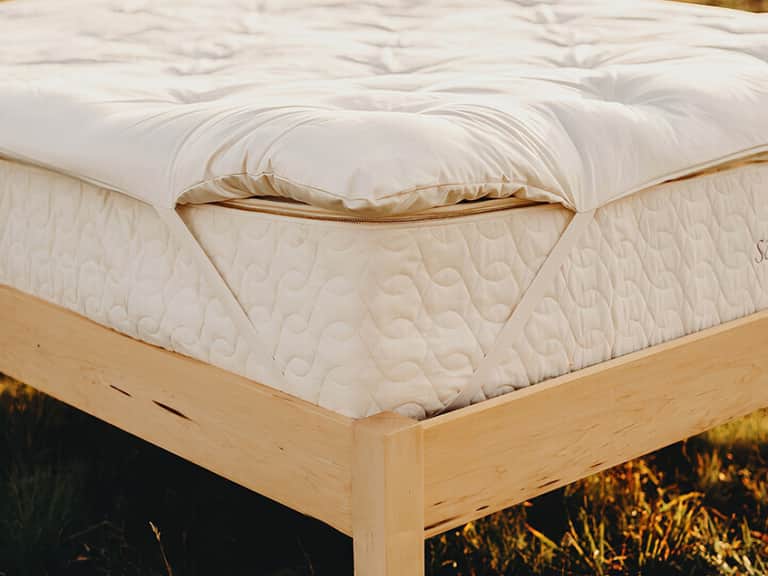
Among the notable options, the Savvy Rest Natural Savvy Woolsy Mattress Topper demonstrates how natural materials can elevate sleep quality. While it blends wool and organic cotton rather than pure latex, it represents a broader approach to comfort layers that work in concert with a latex topper. The Woolsy’s wool fill delivers moisture management and temperature neutrality, while its organic cotton cover offers a breathable surface that complements latex’s airflow in many setups.
The Woolsy example underscores a key design principle: toppers are most effective when they harmonize with the underlying mattress and the sleeper’s unique physiology. For readers who carry allergies or sensitivities, wool’s antimicrobial properties and natural resilience can be a compelling factor in topper selection.
Savvy Rest Natural Savvy Woolsy Mattress Topper — 3.5 inches of wool-filled luxury in a certified organic cotton cover. Offers pressure relief and moisture-wicking properties, with corner straps for a secure fit. Price: $649.00.
- Key features: 100% organic cotton sateen cover, antimicrobial wool, machine-wash friendly care guidance, and a three-year warranty.
- Note: This topper is not latex-based, but it demonstrates how organic materials contribute to cooling and comfort in layered sleep systems.
Beyond individual products, the principle remains: evaluate toppers as components within a sleep ecosystem. A latex topper can be the central support in one configuration, while wool or cotton layers provide complementary moisture management or a pillow-soft surface in another. The best choice balances personal comfort with durability and breathability.
Careful Selection: A Stepwise Approach
- Define your sleep priorities: pressure relief, cooling, edge support, and motion isolation. Latex toppers excel at buoyant support and quick recovery, while blending may tailor feel and cost.
- Assess your mattress compatibility: toppers add a cushion layer without changing the fundamental support structure. If your mattress sags or lacks support, consider addressing the base first or choosing a thicker topper.
- Choose latex type with intent: natural latex for sustainability and durability; synthetic for cost and predictable feel; blended for a balance of traits.
- Determine density and thickness: medium-density latex around 5–6 pounds per cubic foot (PCF) offers a compromise between support and contour; thicker toppers increase conformity but can alter sink depth.
- Plan for care and warranty: read care instructions, understand rotation schedules, and confirm warranty coverage for latex materials against sagging and indentation.
Frequently Asked Questions
- How long does a latex topper last?
- With proper care, latex toppers can last 8–15 years or more, depending on density, thickness, and usage. Natural latex tends to be more durable than some synthetic formulations, but both can provide long-lasting comfort when protected from moisture and consistent use.
- Will a latex topper sleep cooler?
- Yes, latex is naturally breathable due to its open cell structure and airflow channels, which helps dissipate heat. Cooling can be enhanced with a breathable cover and a moisture-wicking protector.
- Are latex toppers hypoallergenic?
- Natural latex is generally resistant to dust mites and has antimicrobial properties, but latex allergies are real for a minority of sleepers. If allergies are a concern, test a non-latex alternative or seek latex-free bedding options.
- Do I need a protector with a latex topper?
- A protector helps guard against spills, perspiration, and wear. For latex, a breathable, non-waterproof protector can maintain airflow while offering protection. Always check care labels for compatibility.
Conclusion: The Subtle Science of Comfort
Latex toppers embody a careful blend of science, materials, and personal preference. They offer buoyant support and durable resilience that can transform a tired mattress into a refreshed sleeping arena. The right topper—natural, synthetic, or blended—depends on how your body, sleep position, and environment intersect. In the broader tapestry of bedding, toppers act as the quiet conductor of nighttime comfort, guiding you toward longer, more restorative nights.
Further Reading and Related Topics
- Understanding mattress toppers: differences between memory foam, latex, and hybrid toppers.
- Materials science of sleep surfaces: how density, elasticity, and porosity influence comfort.
- Care and maintenance of bedding: extending the life of organic and natural components.
- Sleep ergonomics: optimizing spinal alignment for various sleeping positions.
Related Product Spotlight
Savvy Rest Natural Savvy Woolsy Mattress Topper
3.5 inches of premium natural wool topped with certified organic cotton, offering antimicrobial properties and moisture-wicking performance. Provides soft, breathable cushion for added comfort.
Price: $649.00
View product detailsNaturepedic EOS Pillowtop Organic Hybrid Mattress
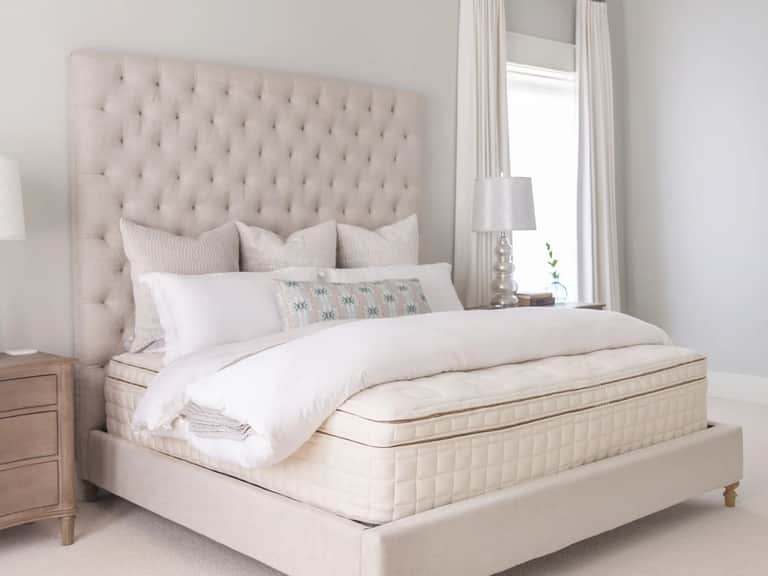
Completely organic and fully customizable with multiple latex layers and pillowtop options for personalized comfort. Built for temperature regulation and postural balance.
Price: $3,299.00
View product detailsVispring Opulence Mattress Topper
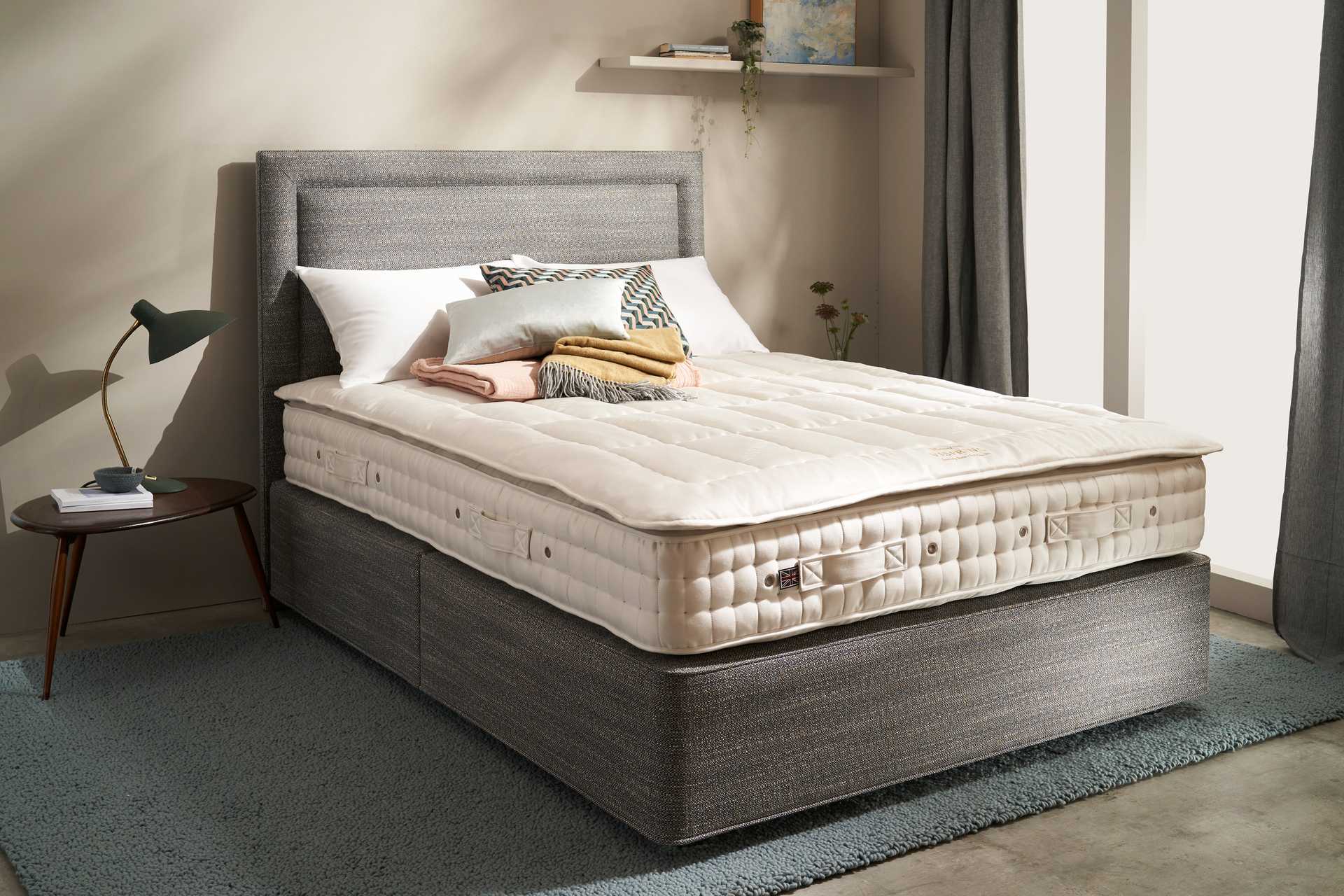
A luxurious topper featuring premium wool and silk fillings, designed to regulate temperature and provide sumptuous cushioning.
Price: $2,415.00
View product details