Foam mattresses are distinguished by their dense, closed-cell construction that provides consistent support and pressure relief across the sleeping surface. In this category, foam materials vary from high-density polyurethane to advanced memory foams, each engineered to minimize motion transfer and conform to body contours. Understanding the differences helps identify suitable options for alignment, comfort, and longevity within bedding systems.
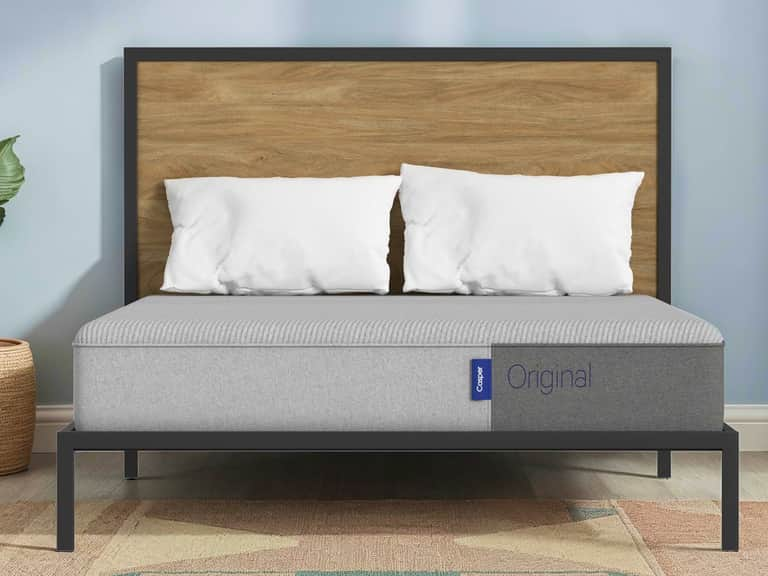
The Original Mattress exemplifies classic foam technology with balanced conforming properties and robust durability. Its foundational support layers work with a softer top layer to cradle the hips and shoulders, while maintaining spinal alignment. This model is often chosen for side and back sleepers seeking steady contouring without excessive sink.
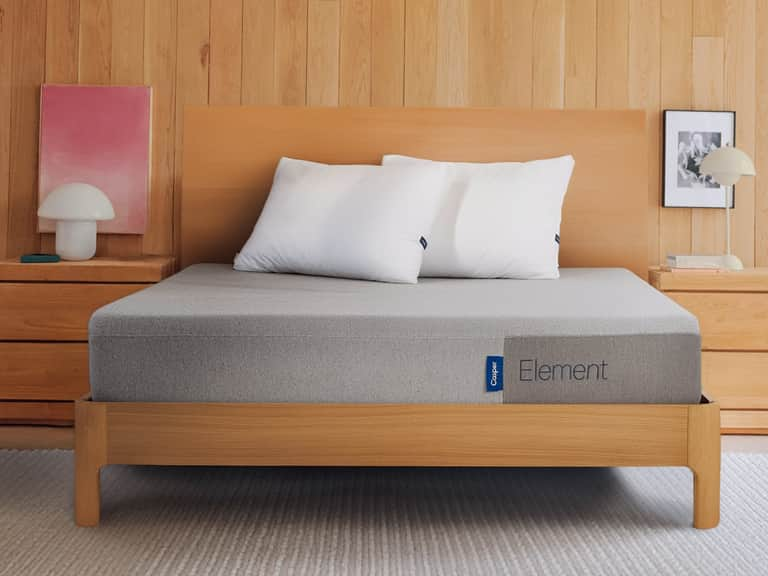
The Element Mattress introduces modern foam engineering by combining transition foams with supportive cores to optimize pressure distribution and temperature regulation. It emphasizes targeted zoning that supports the lumbar region while allowing for even weight distribution, contributing to reduced joint stress over nightly cycles and improved overall sleep quality.
Key features across foam mattresses include density ratings, open-cell versus closed-cell structures, and cooling technologies designed to mitigate heat buildup. These factors influence durability, motion isolation, and temperature neutrality, which are critical for varied sleep preferences, including couples with different firmness needs and lightweight to heavier sleepers.
For bedding compatibility, foam mattresses pair with a range of pillows, sheets, and organic mattress materials to form a layered sleep system. Understanding how foam cores interact with toppers, protectors, and organic components helps optimize comfort, support, and hygiene across the bedroom environment.
 Mattresses